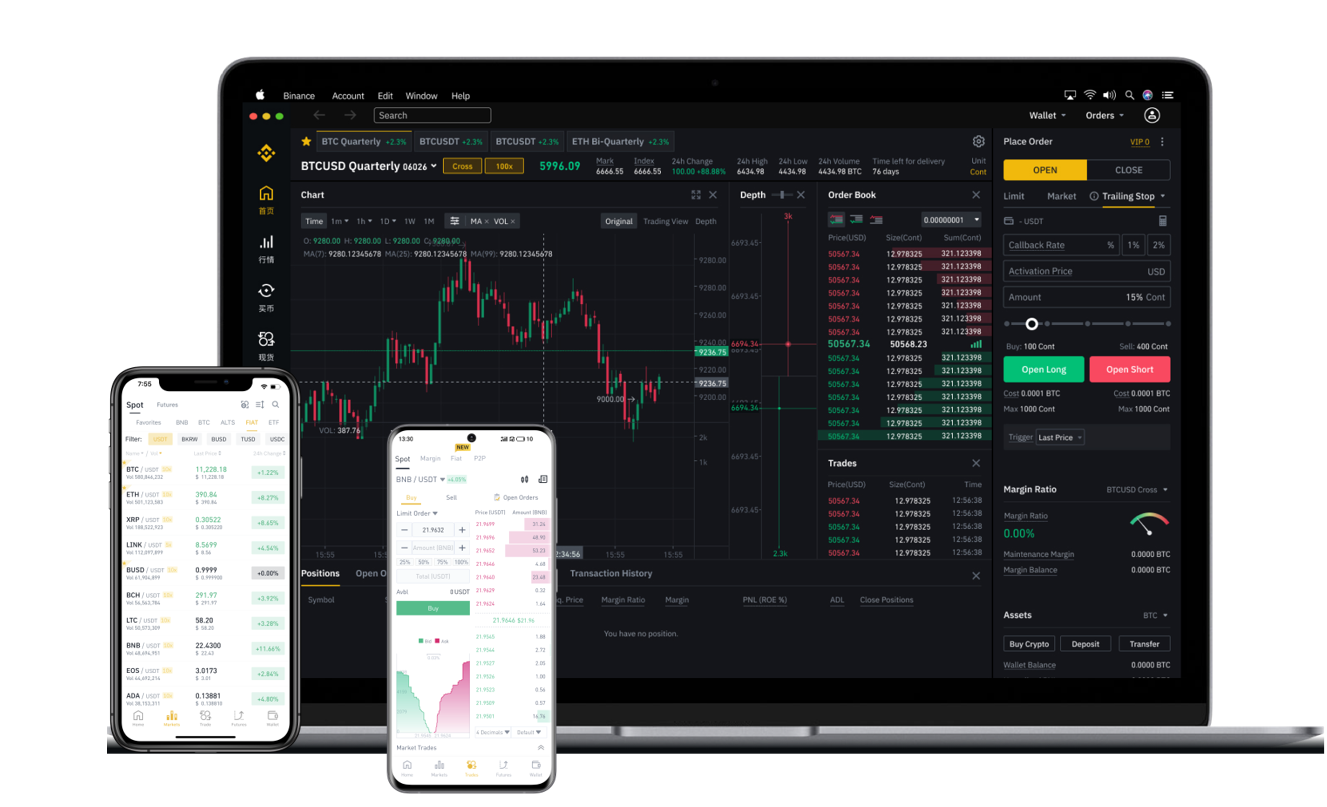
How to Withdraw from OKX and Binance: A Step-by-Step Guide for Beginners

Withdrawing funds from cryptocurrency exchanges like OKX and Binance is a common task for traders and investors. Whether you are moving assets to a personal wallet or cashing out to fiat currency, understanding the withdrawal process on each platform is essential for security and efficiency. This guide provides a clear, step-by-step comparison of how to withdraw from both OKX and Binance, ensuring you can manage your funds with confidence.
First, it is important to note that both OKX and Binance support a wide range of cryptocurrencies and fiat currencies. The withdrawal process generally involves logging into your account, navigating to the "Wallet" or "Assets" section, and selecting "Withdraw." However, the specific steps and options can vary slightly between the two exchanges.
Withdrawing from Binance: Binance is one of the largest and most user-friendly exchanges. To withdraw, follow these steps: 1) Log in to your Binance account. 2) Click on "Wallet" and then "Fiat and Spot." 3) Find the cryptocurrency you wish to withdraw and click "Withdraw." 4) Enter the recipient's wallet address or select a previously saved address. Double-check the address, as blockchain transactions are irreversible. 5) Choose the network (e.g., ERC20, BEP20, TRC20) that matches your destination wallet. Using the wrong network can result in lost funds. 6) Enter the amount and click "Submit." Binance will send a confirmation email or SMS code to verify the transaction. After verification, the withdrawal is processed. For fiat withdrawals, you can sell your crypto for USD, EUR, or other supported currencies and then withdraw to your bank account via SEPA, SWIFT, or other local options.
Withdrawing from OKX: OKX offers a similar but slightly streamlined process. Here is how to withdraw from OKX: 1) Log in and go to "Assets" > "Withdraw." 2) Select the cryptocurrency you want to withdraw. 3) Paste the withdrawal address. OKX allows you to add addresses to a whitelist for additional security. 4) Choose the correct withdrawal network. OKX supports multiple chains, and it is critical to select the same network as your receiving wallet. 5) Enter the withdrawal amount. OKX shows both the minimum withdrawal amount and the transaction fee. 6) Click "Withdraw" and complete any required 2FA (Two-Factor Authentication) or email verification. For fiat withdrawals, OKX offers peer-to-peer (P2P) trading and bank transfer options depending on your region.
Key Differences and Tips: One major difference is the fee structure. Binance’s withdrawal fees vary by network and asset, while OKX may offer competitive or dynamic fees. Both exchanges impose minimum withdrawal limits. Security is paramount: always use 2FA, verify addresses twice, and avoid withdrawing to unknown or untested wallets. Network congestion can cause delays, so check current network status before initiating large transfers. Additionally, if you are withdrawing to a hardware wallet like Ledger or Trezor, ensure the software is updated to support the chosen blockchain.
Common Issues and Solutions: Users sometimes encounter issues such as "withdrawal suspended" or "address not whitelisted." On Binance, you may need to complete additional identity verification (KYC) for higher withdrawal limits. On OKX, security locks may activate if you log in from a new device. In both cases, contacting support is advisable, but using the built-in FAQ or help center is faster. Remember that withdrawals are usually processed within minutes, but larger amounts may require manual review by exchange staff.
In conclusion, withdrawing from OKX and Binance is a straightforward process once you understand the interface and security requirements. Always prioritize network compatibility, verify all details, and stay informed about fees. By following the steps outlined above, you can safely move your crypto assets between exchanges or to your own custody. For the most current information, check the official OKX and Binance withdrawal pages, as policies and supported networks are regularly updated.