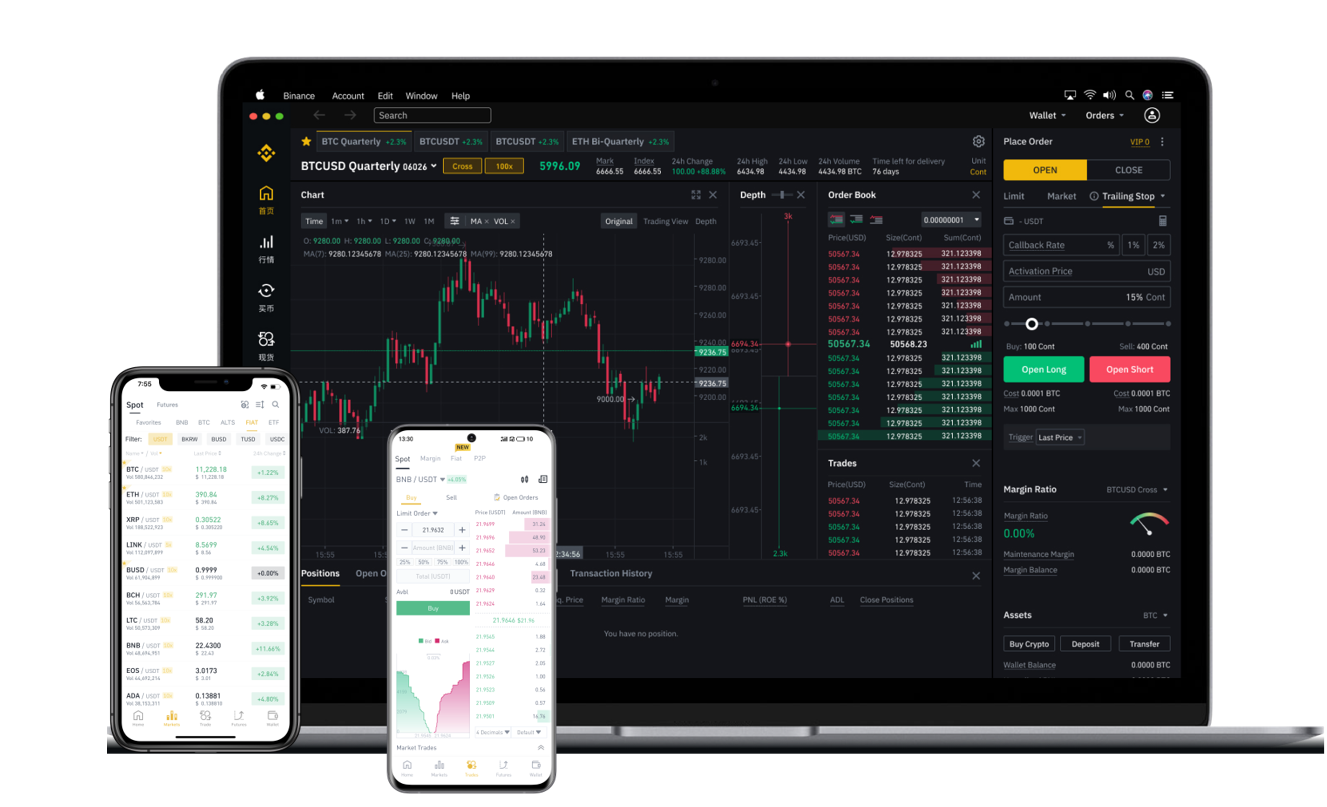
Pi Network Exchange Listing: A Comprehensive Review of Binance’s Role and Market Impact

As the cryptocurrency landscape continues to evolve, the Pi Network has emerged as one of the most debated mobile mining projects. With its massive user base and a token that has yet to be listed on major centralized exchanges, many users are asking: “What about Pi Network on Binance? Is the Pi Binance Exchange review positive?” This article provides an objective, search-engine-optimized analysis of the current status between Pi Network and Binance, addressing common misconceptions and assessing the potential impact of a future listing.
First, it is crucial to clarify a fundamental point: as of now, Pi Network’s native token, Pi, is not listed on Binance. Despite persistent rumors and speculative announcements circulating within Pi community groups, Binance has not officially confirmed any trading pair involving Pi. The “Pi Binance Exchange” keyword often leads to misleading clickbait articles or unofficial polls. However, this does not mean the topic is irrelevant. The demand for a Binance listing is one of the strongest indicators of Pi’s market viability and future price discovery.
From a technical perspective, Binance sets rigorous standards for listing new tokens. Factors include project maturity, code security, liquidity, decentralization, and community activity. Pi Network still operates within its “Enclosed Mainnet” phase, meaning external transfers of Pi are restricted to the Pi ecosystem. Most exchanges, including Binance, require open mainnet status before considering a direct listing. Therefore, for Binance to potentially support Pi trading, the Pi Core Team would need to migrate the network to an open mainnet, allowing off-chain transaction verification and decentralized liquidity.
Another significant aspect is the tokenomics impact. Pi Network’s massive supply—estimated to exceed 100 billion tokens—poses a challenge for traditional exchange liquidity models. A direct listing on Binance without proper supply control mechanisms could lead to extreme volatility during the initial trading phase. Binance typically favors tokens with clear vesting schedules, lock-up periods for team allocations, and a fair launch distribution. The Pi community is known for its high number of active users, but converting that user base into stable trading volume requires careful exchange integration planning.
Regarding security and trust, Binance has a strict compliance framework. The platform actively screens projects for anti-money laundering compliance, IP infringement, and fraudulent team claims. Pi Network has faced scrutiny over unclear ownership, the lack of an open-source core code released to the public, and the monetization of ecosystem apps. While Pi has improved transparency over time, any partnership with Binance would require the network to undergo an extensive technical audit. Anecdotal reviews from veteran crypto users often point out that until Pi passes such audits, the “Pi Binance Exchange” listing remains hypothetical.
It is also worth examining the rumor economy. More than 20 different Pi-to-Binance trading pair images have circulated on social media since 2023. All were later confirmed as fabricated screenshots. This highlights a common tactic where scammers use the name of a reputable exchange like Binance to promote illegitimate presales or token swaps. Users searching for “Pi Binance exchange review” should be cautious: if you encounter any platform claiming to directly deposit Pi or perform Binance instant swaps for Pi, it is almost certainly a scam. No official API or bridge exists between Binance and the Pi ecosystem at this time.
Looking forward, if Binance were to list Pi, several positive outcomes could occur. First, Pi users who mined for years would finally achieve real liquidity. Second, Pi prices would become market-determined, ending speculation around fixed valuations. Third, Binance’s security infrastructure would protect users from ecosystem scams. Conversely, a listing also brings risks: early miners might dump supply rapidly, suppressing the price; the Pi Core Team could face regulatory pressure once the token becomes widely liquid; and the expectation gap between users who mined for “free” and investors seeking profitable trades could cause friction.
To summarize the Pi Binance Exchange review: currently, there is no official listing, and no confirmed timeline exists. However, the potential is real. Pi Network’s success on Binance will depend entirely on its transition to open mainnet, its ability to control liquidity spikes, and its willingness to comply with global exchange standards. Until then, treat all “Pi listed on Binance” announcements as unverified. For serious crypto traders, the best course of action is to monitor official Binance announcements and Pi Core Team updates. The Pi network remains an experimental project, and Binance remains the gold standard of centralized exchanges—bridging these two worlds will require patience, transparency, and technical maturity.