How Does Binance-Backed Exchanges Perform? A Comprehensive Guide for Crypto Traders
In the rapidly evolving cryptocurrency landscape, the backing of a major player like Binance carries significant weight. When users search for "How does Binance-backed exchanges perform," they are often trying to gauge the legitimacy, liquidity, and long-term viability of such platforms. Understanding the dynamics of these exchanges is crucial for anyone looking to trade with confidence and security.
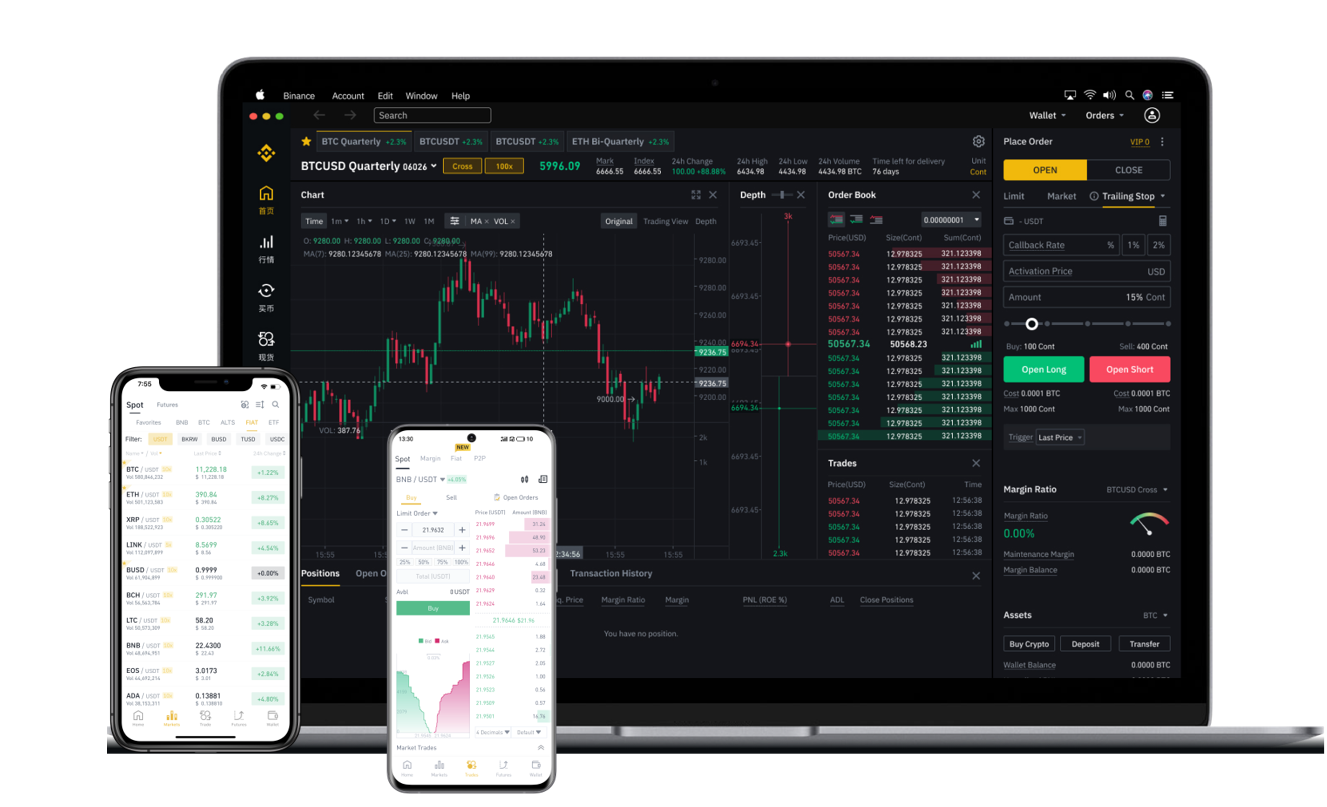
First and foremost, a Binance-backed exchange typically benefits from deep liquidity. Because Binance itself is one of the world’s largest cryptocurrency exchanges, its financial and technical support often allows partner platforms to offer competitive trading pairs with tight spreads. This is a major advantage for traders, as it reduces the cost of entering and exiting positions. Furthermore, these exchanges often gain access to Binance’s advanced trading engine technology, which enhances order matching speed and overall platform stability. For users, this means fewer system lags during high volatility periods and a smoother trading experience.
Another critical aspect is the enhanced level of security. Binance has invested billions in security infrastructure, including the Secure Asset Fund for Users (SAFU). While not all Binance-backed exchanges are directly covered by SAFU, they often adopt similar security protocols. This includes multi-tier and multi-cluster system architecture, real-time monitoring, and mandatory Know Your Customer (KYC) procedures. For investors, this significantly reduces the risk of hacks and fund mismanagement compared to lesser-known, unaffiliated exchanges. The "Binance effect" acts as a quality signal, suggesting that the exchange has passed rigorous due diligence.
However, it is not all perfect. One common criticism is the potential for reduced anonymity. Exchanges backed by a major entity like Binance are usually highly compliant with international regulations. This means stricter KYC and Anti-Money Laundering (AML) policies. Traders who prioritize privacy might find these platforms less appealing. Additionally, while the exchange benefits from Binance's resources, it may also suffer from brand association. If Binance itself faces regulatory pressure or liquidity issues, the affiliated platforms can feel the negative impact almost immediately. The performance of these exchanges is not independent; it is closely tied to the reputation and health of the parent brand.
From a user experience perspective, most Binance-backed exchanges offer a familiar interface. Many of them use a modified version of the Binance core engine or even white-label solutions. This means if you already know how to use Binance, you will likely feel at home on these partner platforms. They also tend to offer attractive launchpad opportunities for new tokens. Being backed by Binance often grants priority access to promising Initial DEX Offerings (IDOs) or initial exchange offerings (IEOs), providing users with early entry points into new projects. This is a key value proposition for many active traders looking for the next big opportunity.
In conclusion, a Binance-backed exchange generally performs well in terms of liquidity, security, and user interface. It offers a reliable environment for both novice and seasoned traders. However, potential users must remain aware of the regulatory landscape and the inherent risks of centralized platforms. The answer to "How does Binance-backed exchanges perform" is largely positive, but it requires a balanced perspective. Always conduct your own research (DYOR) regarding the specific exchange's fee structure, supported assets, and jurisdiction before committing your capital.