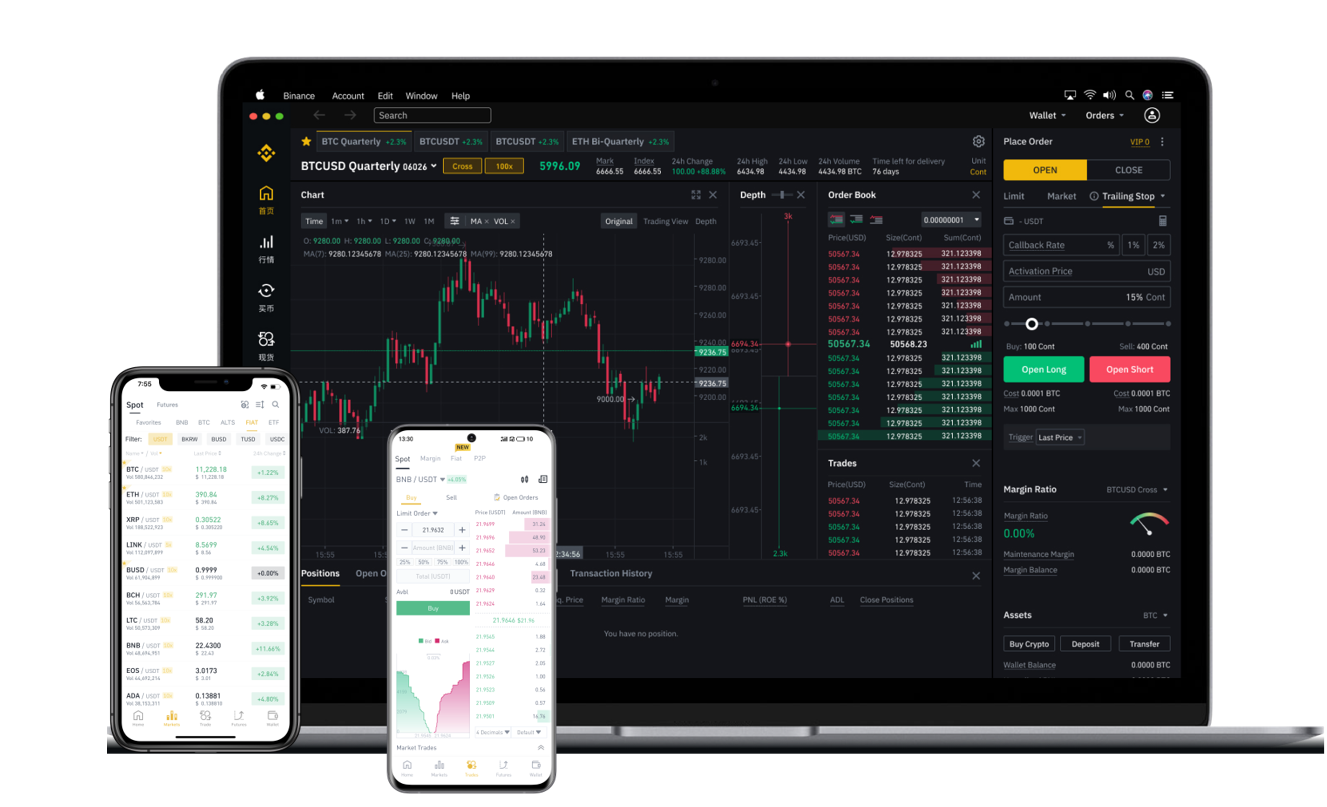
Binance Exchange Downtime: What Happens When the World’s Largest Crypto Platform Goes Offline
Binance, the world’s largest cryptocurrency exchange by trading volume, is known for its robust infrastructure and high-frequency trading capabilities. However, like any centralized digital platform, it is not immune to technical outages. When users search for "Binance exchange downtime," they are often seeking immediate clarification on the impact, causes, and risks associated with these interruptions. Understanding the phenomenon of Binance going offline requires looking beyond the simple inconvenience and examining the broader implications for traders, market stability, and the crypto ecosystem.
First and foremost, a Binance outage can create significant chaos for traders. During periods of high volatility, every second counts. If the platform goes offline, users are locked out of their positions. They cannot place stop-loss orders, execute market sells, or withdraw funds to a safer wallet. This can lead to severe financial losses, especially for leveraged traders using futures or margin products. In extreme cases, when the exchange comes back online, the price may have moved drastically against their position, resulting in forced liquidations. This phenomenon is often referred to as "downtime slippage," where the inability to act during the outage forces traders to accept worse prices upon reconnection.
From a technical perspective, Binance downtimes are usually caused by one of several factors. The most common are unmatched order surges during market-making events, infrastructure upgrades, or Distributed Denial-of-Service (DDoS) attacks. While Binance maintains a large reserve of server resources, a sudden flood of API requests from algorithmic traders and bots can overwhelm the system. When this happens, the exchange may temporarily suspend withdrawals and trading to protect user assets. It is important to note that during these events, Binance typically publishes a status update via their official X (formerly Twitter) account or status page, though these communications are often delayed due to the nature of the crisis.
The impact of a Binance outage extends beyond individual traders. It can affect the broader crypto market liquidity. Since Binance hosts a significant portion of global crypto trading pairs, its downtime often reduces market depth elsewhere. Arbitrageurs rely on Binance data to balance prices across exchanges; without access, spreads widen, and price discovery becomes less efficient. This can cause temporary disconnects between the price of Bitcoin on Binance versus other exchanges like Coinbase or Kraken, leading to brief but volatile arbitrage opportunities for those who are not locked out.
For users who experience a Binance downtime, the immediate reaction should be one of caution. Do not attempt to force-login repeatedly, as this can worsen server congestion. Instead, check the official Binance status page or community forums for confirmation of the outage. It is also wise to review your portfolio’s exposure before the next outage occurs. Many experienced traders use cold wallets for long-term holdings and only keep active trading capital on the exchange. This ensures that even if Binance goes offline for an extended period, the majority of their assets remain safe and accessible via private keys.
Finally, while Binance has historically recovered from outages within minutes to a few hours, the frequency of such events has sparked discussions about the need for decentralized exchanges (DEXs). DEXs operate without a central server, theoretically eliminating single points of failure like a Binance downtime. However, they currently lack the speed, liquidity, and user interface that make Binance attractive. Therefore, until decentralized alternatives fully mature, traders must accept that periodic Binance outages are a real risk in the crypto space. Staying informed, diversifying access to funds, and understanding the exchange’s recovery protocol are the best defenses against the anxiety and potential loss that come with "Binance going offline."