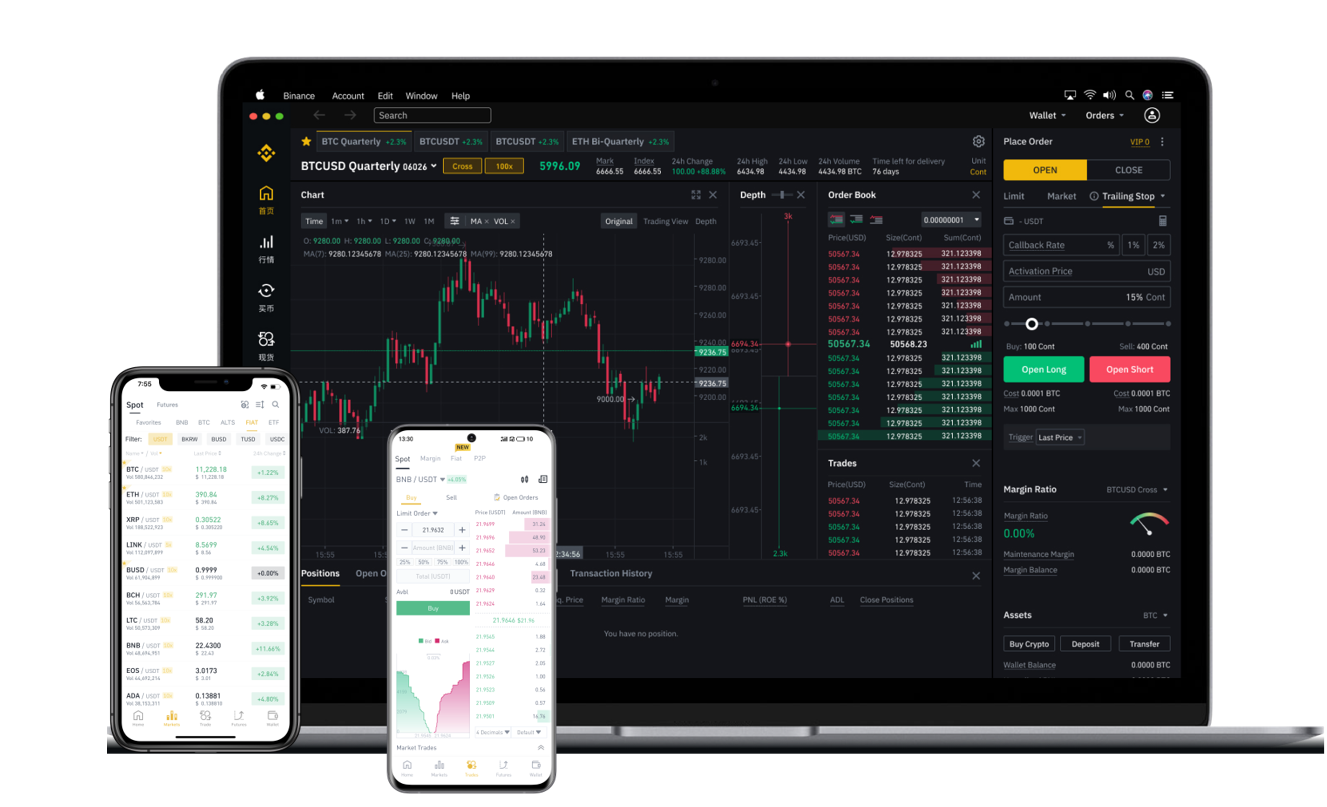
USDC Payment Field Explained: How It Works, Benefits & Setup Guide
In the rapidly evolving world of digital finance, the term "USDC payment field" has become increasingly relevant for businesses and individuals alike. USDC, or USD Coin, is a type of stablecoin that is pegged to the U.S. dollar on a 1:1 basis. When we refer to the "payment field" in this context, we are talking about the specific technical and operational space where USDC is used as a method of transferring value. Understanding this field is crucial for anyone looking to integrate cryptocurrency payments into their existing systems.
At its core, the USDC payment field represents the digital infrastructure that allows for near-instantaneous, low-cost transactions. Unlike traditional banking systems that rely on intermediaries and can take days to settle, USDC operates on blockchain networks such as Ethereum, Solana, and Algorand. The "payment field" includes the wallet addresses, smart contracts, and payment gateways that facilitate these transactions. For businesses, this means being able to accept payments from anywhere in the world without worrying about currency conversion fees or banking hours.
One of the primary benefits of incorporating USDC into your payment field is the elimination of volatility. Because USDC is a stablecoin, its value remains consistently close to one U.S. dollar. This stability makes it an ideal medium for transactions, as both the sender and receiver know exactly how much value is being transferred. Additionally, the transparency of blockchain technology means that every transaction can be verified on a public ledger, reducing the risk of fraud and chargebacks that are common with credit card payments.
Setting up a USDC payment field for your business is a straightforward process. First, you need to choose a compatible digital wallet that supports USDC. Next, you must decide which blockchain network you want to use. Ethereum is the most popular, but it comes with higher gas fees during peak times. Solana and Polygon offer faster and cheaper alternatives. Once your wallet is set up, you can integrate a payment gateway plugin into your e-commerce platform. Many modern payment processors, such as BitPay and Coinbase Commerce, allow you to accept USDC directly and convert it to fiat currency automatically.
Security is a key consideration when working with the USDC payment field. Since blockchain transactions are irreversible, it is critical to double-check wallet addresses before sending funds. To protect against unauthorized access, always use hardware wallets or multi-signature wallets for large balances. Furthermore, implementing 2FA (two-factor authentication) on all your payment-related accounts adds an extra layer of security. Regular audits of your smart contracts, if you are using custom code, are also recommended to prevent vulnerabilities.
From a user experience perspective, the USDC payment field offers unparalleled speed. International payments that might take 3-5 business days via traditional wire transfer can be completed in seconds or minutes using USDC. This efficiency is a game-changer for freelancers, remote workers, and global e-commerce merchants. Moreover, the low transaction fees, especially on blockchains like Solana, make it cost-effective for microtransactions and subscription models.
In conclusion, the USDC payment field is not just a trend—it is a fundamental shift in how we think about money movement. By leveraging the stability of a dollar-pegged asset and the efficiency of blockchain technology, businesses can reduce costs, speed up settlements, and expand their customer base globally. Whether you are a small business owner or a large enterprise, understanding and implementing a USDC payment field can give you a competitive edge in the digital economy. As the ecosystem matures, we can expect even more seamless integrations and broader adoption across all industries.