How to Use USDC on Exchanges: A Complete Guide for Beginners and Traders

USDC, or USD Coin, is one of the most widely used stablecoins in the cryptocurrency market. It is pegged 1:1 to the U.S. dollar, meaning one USDC is always worth approximately one USD. Because of its stability, USDC is a popular choice for trading, transferring funds, and earning yield. But if you are new to crypto, you might be wondering: how exactly do you use USDC on an exchange? This guide breaks down the process step by step, from deposit to withdrawal.
First, you need to choose a cryptocurrency exchange that supports USDC. Major platforms like Binance, Coinbase, Kraken, and Bybit all list USDC trading pairs. Smaller or region-specific exchanges may also support it, but always check the available pairs—such as USDC/USDT, USDC/BTC, or USDC/ETH. Once you have an account set up and verified (including KYC where required), you are ready to deposit funds.
To get USDC on an exchange, you have two main options: deposit USDC from an external wallet, or buy USDC directly with fiat currency. For the first option, go to the "Deposit" section of the exchange, select USDC, and copy your deposit address. Make sure you are using the correct blockchain network—USDC exists on Ethereum (ERC-20), Solana, Polygon, Avalanche, and others. Sending USDC on the wrong network could result in permanent loss of funds. For the second option, if the exchange supports fiat deposits, you can use a bank transfer, debit card, or credit card to purchase USDC directly. This is often the fastest method for beginners.
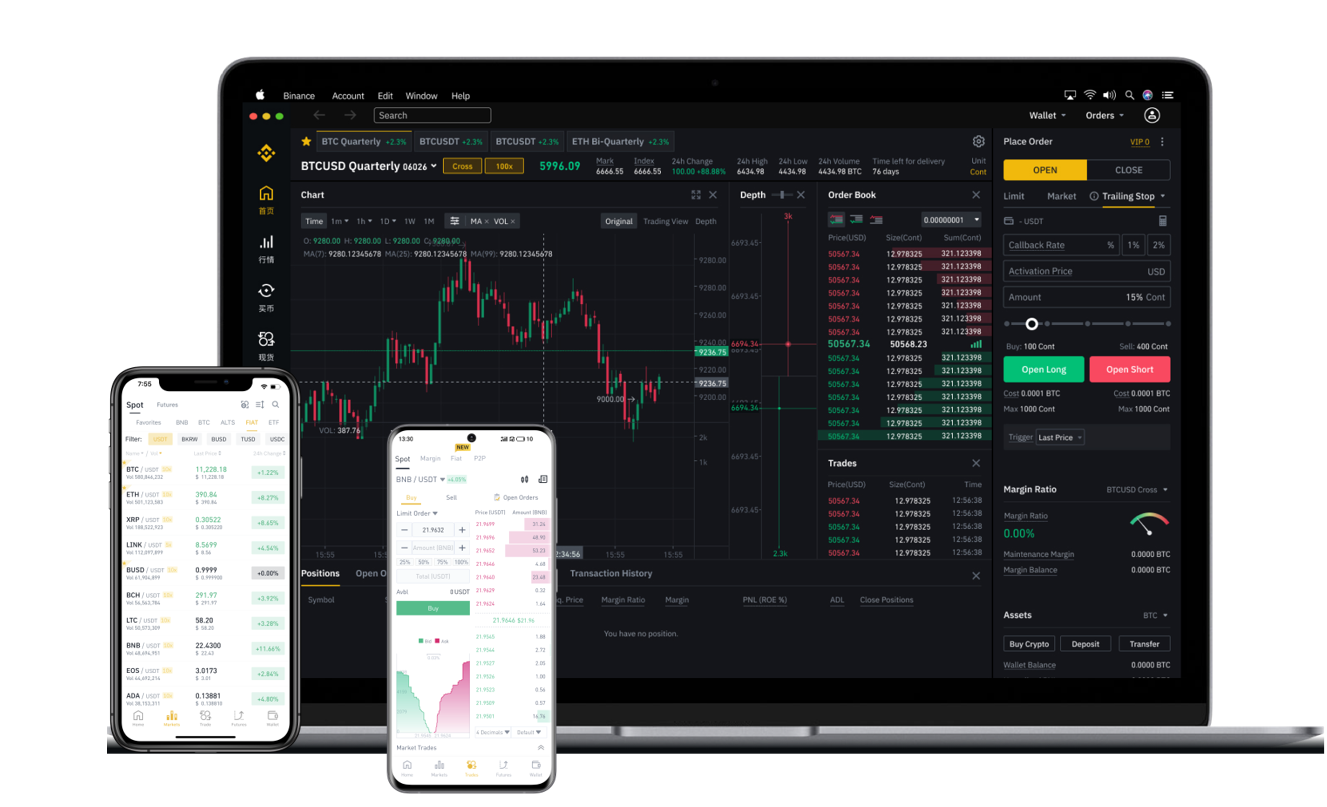
Once your USDC balance appears in your exchange account, you can start trading. Navigate to the trading section and select a trading pair like USDC/USDT or USDC/ETH. If you want to buy Bitcoin using USDC, for example, you would use the BTC/USDC pair. Place a market order for immediate execution, or a limit order to buy at a specific price. USDC is also useful for margin trading, futures, and options on many platforms, as it provides a stable base asset that does not fluctuate in value like Bitcoin or altcoins.
Beyond trading, you can use USDC on exchanges to earn passive income. Many platforms offer staking, savings accounts, or flexible earn programs for USDC. For example, on Binance you can put USDC in Simple Earn; on Coinbase you can earn rewards just by holding it. The annual percentage yield (APY) varies between platforms and may change over time. Always check the terms and risk disclosures before locking in funds.
Another common use case is transferring USDC between exchanges or wallets. Because USDC is stable, it is ideal for moving value without worrying about price swings during the transfer time. Go to your exchange’s "Withdraw" page, enter the recipient’s address and the amount, and select the correct network to minimize fees and avoid delays. Some networks like Solana or Polygon offer very low transaction costs compared to Ethereum.
Security is important when using USDC on exchanges. Enable two-factor authentication (2FA), use whitelisted withdrawal addresses if available, and never share your private keys or API secrets. Also, keep track of network fees and minimum withdrawal amounts. For large amounts, consider using hardware wallets for long-term storage instead of leaving all USDC on an exchange.
In summary, using USDC on an exchange is straightforward: deposit or buy it, trade it for other assets, earn interest, or transfer it to another platform. Its dollar stability makes it a safe and flexible tool for both beginners and experienced traders. Whether you are hedging against volatility or simply moving funds across borders, USDC is a reliable choice in the crypto ecosystem.