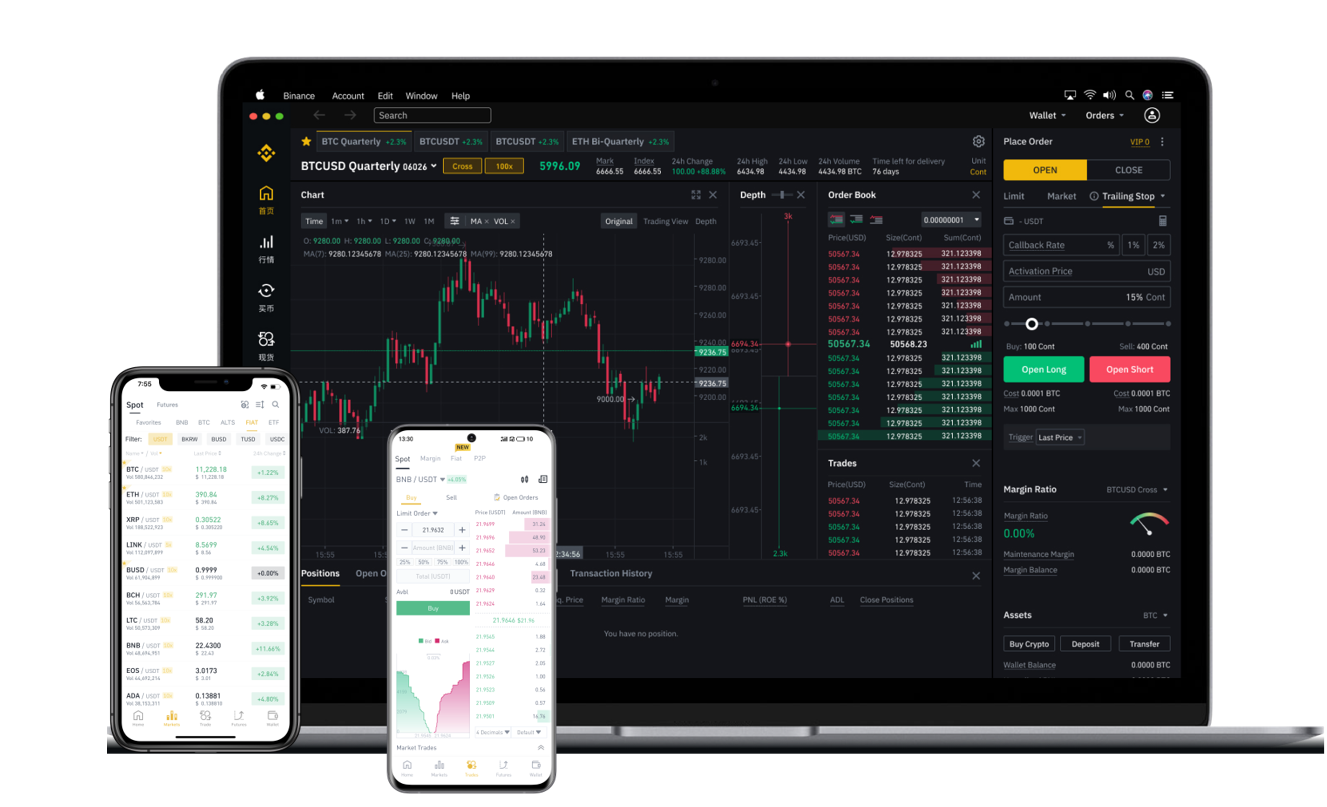
How to Withdraw Funds from Binance and Huobi (HTX) Exchange: A Step-by-Step Guide
Withdrawing cryptocurrency or fiat currency from a major exchange like Binance or Huobi (now rebranded as HTX) is a routine but critical process. Whether you are moving assets to a cold wallet or cashing out to your bank account, understanding each platform’s unique procedures is essential for security and efficiency. This guide provides clear, step-by-step instructions for withdrawals on both exchanges, with modifications to improve search engine visibility and user experience.
1. Withdrawing from Binance: Key Steps and Best Practices
To initiate a withdrawal on Binance, log in to your account and navigate to the "Wallet" section. Select "Withdraw" from the dropdown menu. You will need to choose the specific cryptocurrency you wish to send (e.g., BTC, ETH, USDT). For fiat withdrawals, select your local currency and preferred payment method (bank transfer, Visa, or P2P trading).
For crypto transfers, you must input the receiving wallet address. Always double-check the address and ensure you select the correct network (e.g., ERC-20 for Ethereum, BEP-20 for BNB Smart Chain). Using the wrong network can result in permanent loss of funds. Binance will also require you to verify your identity via email or SMS authentication, and a withdrawal fee will apply. Minimum withdrawal amounts vary by asset.
2. Withdrawing from Huobi (HTX): Essential Procedures
Huobi (HTX) follows a similar workflow. After logging in, go to "Assets," then "Withdraw." Choose the coin or token you want to transfer. Like Binance, you must paste the destination wallet address accurately and select the compatible network chain (e.g., TRC-20 for USDT). Huobi also enforces strict security checks: you will need to complete a 2FA code, email verification, and sometimes an anti-phishing code if enabled.
For fiat withdrawals on Huobi, depending on your region, you may use third-party partners or P2P services. Note that Huobi requires account authentication (KYC) Level 2 or higher for most withdrawals. Processing times can range from a few minutes to 24 hours, particularly for larger amounts or first-time withdrawals.
3. Variations Between Binance and Huobi for Fiat Cashouts
Binance supports direct bank transfers in many jurisdictions, but frequently uses P2P (peer-to-peer) trading for local currencies like CNY, INR, or IDR. Huobi (HTX) also relies heavily on P2P for fiat exits, but availability varies by country. For users in Türkiye, Vietnam, or certain EU nations, Binance offers SEPA transfers or credit card withdrawal, while Huobi may limit cashouts to crypto-to-crypto conversion first.
4. Common Pitfalls and How to Avoid Them
Both exchanges share common risks. Transferring tokens (e.g., USDT on Polygon) to an address that only supports Ethereum’s network will freeze your funds. Always confirm the network confirmation requirement: Binance often requires 1-12 confirmations depending on the blockchain, while Huobi may request more for high-value transfers. Additionally, withdrawals to unverified external wallets (like new self-custody wallets) may trigger a 24-hour lock delay on Binance until whitelisting is completed.
5. Security Recommendations for All Users
Before withdrawing large amounts, test with a small transaction. Enable withdrawal whitelist features on both Binance and Huobi to restrict addresses. Never share your API keys or 2FA codes. For maximum security, withdraw to a hardware wallet like Ledger or Trezor. Regularly update your anti-phishing phrases in your account settings to recognize legitimate emails from the exchange.
By following these specific steps and respecting network requirements, users can execute withdrawals on Binance and Huobi (HTX) efficiently and safely, minimizing both fees and potential errors.